Research Themes

DBP precursors, formation, and toxicity
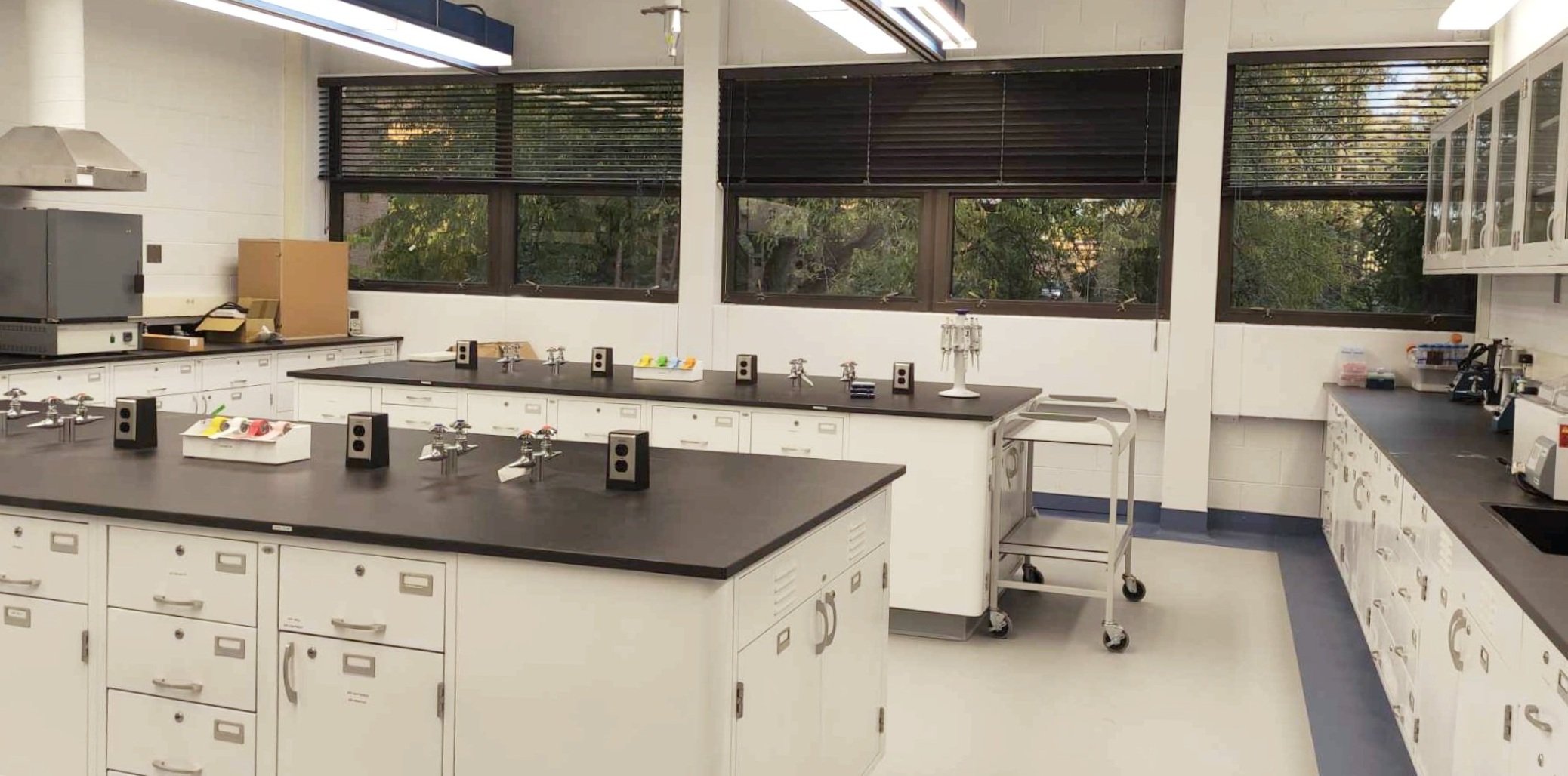
Disinfection byproducts (DBP) form when drinking water is disinfected for pathogen inactivation, posing potential chronic health risks as probable carcinogens. Our lab seeks to better understand how variations in the source water characteristics and treatment trains impact which and how many DBPs are formed. The primary precursor of DBPs in surface water is natural organic matter (NOM). The character and quantity of NOM in surface water is shifting with climate change and population growth, such as increases in algal blooms and wastewater effluent. Studying variations in molecular weight, hydrophobicity, molecular composition, and environmental transformations through processes like photolysis is critical to better predict and control DBP formation in drinking water systems.
Effects of chloride and bromide on virus disinfection by free chlorine
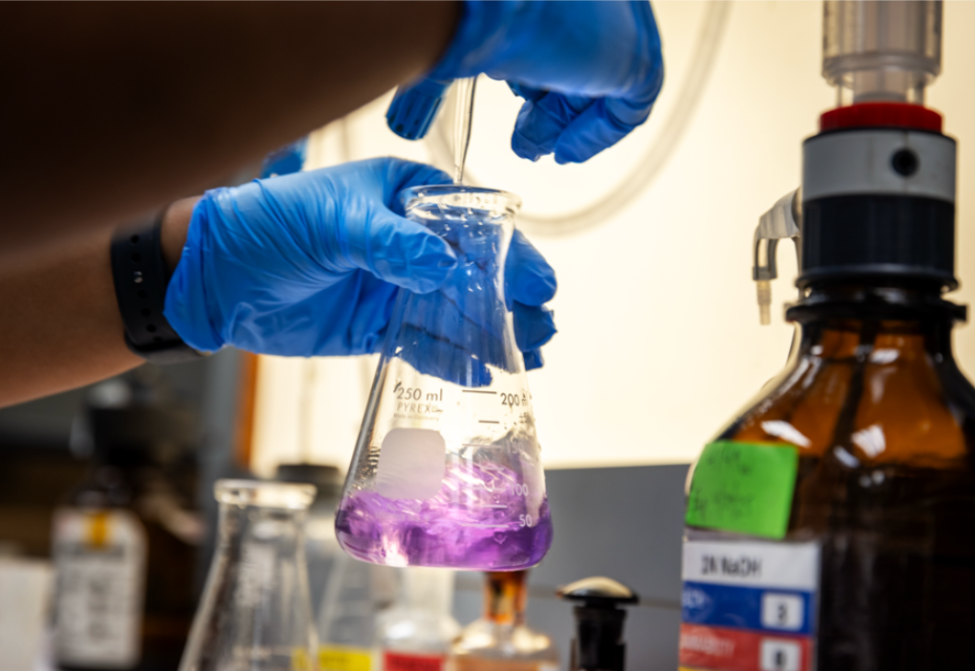
Free chlorine is widely used for virus disinfection in drinking water and wastewater treatment. However, naturally occurring halides can alter reactive speciation and thereby influence both virus inactivation kinetics and the mechanism of molecular damage. This project will investigate how salt composition and water quality conditions affect chlorine damage to viral genomes, capsid proteins, and overall infectivity. A better understanding of these interactions could improve predictions of viral persistence during treatment, support more water quality specific disinfection strategies, and reduce uncertainty in assessing treatment performance. Ultimately, this work could contribute to more reliable virus control and better protection of public health from waterborne viral infections.
Investigating the Effect of Operational Strategies and the Role of Microbial Biomass for Extending the Lifetime of Granular Activated Carbon
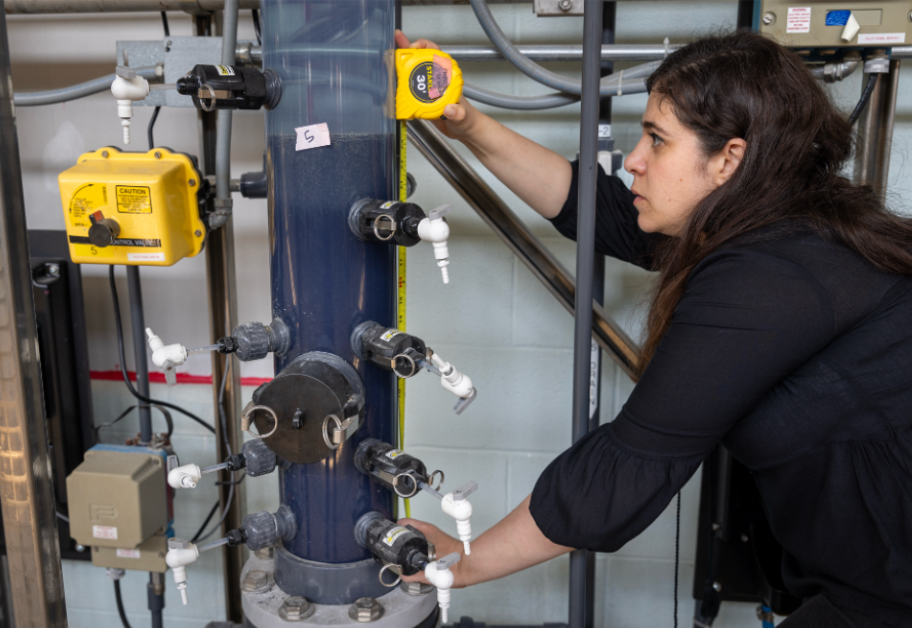
GAC is the industry standard for effectively removing PFAS, disinfectant byproduct (DBP) precursors, and other contaminants from water systems. Its performance is influenced by the microbial biomass that naturally develops during operation. This biomass can both hinder PFAS adsorption through pore blockage and enhance removal through biosorption and biodegradation of competing organic matter. This bioactivity also has the potential to increase n-DBP formation, underscoring the complex role of biomass in contaminant control and GAC lifespan. Utilities employ varied operational strategies, such as oxidant pretreatment, biological filtration pretreatment, and chlorinated backwash, to influence biomass levels and activity, yet their effects on PFAS and n-DBP removal remain poorly understood. This project examines how operational parameters influence contaminant control by GAC filters at four full-scale utilities and in a pilot-scale system, focusing on PFAS, unregulated n-DBPs, and DBP precursors.